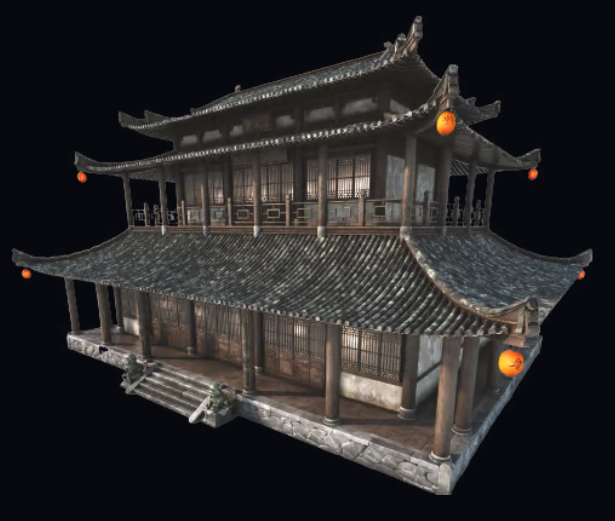
What is 3D modelling?Let’s start with a 3D modelling definition. 3D modelling is the process of creating three-dimensional representations of an object or a surface. 3D models are made within computer-based 3D modelling software, which we’ll explore a little later. During the 3D modelling process, you can determine an object’s size, shape, and texture. The process works with points, lines, and polygons to create the 3D shapes within the software. How does 3D modelling work? A 3D model is essentially made up of vertices, which come together to form a mesh and act as the core of the 3D model. Each point on the model can be manipulated to change the shape. By using coordinate data, the software identifies the location of each vertical and horizontal point, all relative to a reference point. The most common way to begin making a 3D model is to start with a basic shape – a cube, box, sphere, or whatever you think is best suited. From your starter shape, you can start moulding and refining it into what you desire. What is 3D modelling used for? Many industries utilise 3D modelling for a range of projects; there are likely loads of 3D modelled items we use without even realising its involvement. With 3D modelling, the opportunities are endless. It’s a truly versatile medium that can be used for an array of different areas. Let’s explore some common uses of 3D modelling: Game developmentPerhaps the most commonly known use for 3D modelling is game development. 3D models are used to create characters, settings, props, and entire worlds within video games. The key to any good game is immersion, and 3D modelling is a great way to build immersive experiences.3D modelling is particularly important within the world of virtual reality gaming, which is an extremely exciting sector. Virtual reality games fully immerse you in the game experience, creating entire three-dimensional worlds to dive into.